









Everything you need to know about omega-3 DHA
DHA is a fatty acid that is essential for the brain and eyes to work properly. The body produces it naturally by converting alpha-linolenic acid (ALA).
It is also found in food, particularly in small oily fish such as sardines, mackerel and herring.
We now know that DHA production declines with age, while the body’s needs increase. We also know that the DHA the body makes is not enough to cover requirements during pregnancy.
This is why DHA supplementation can be worthwhile for older people and pregnant women.
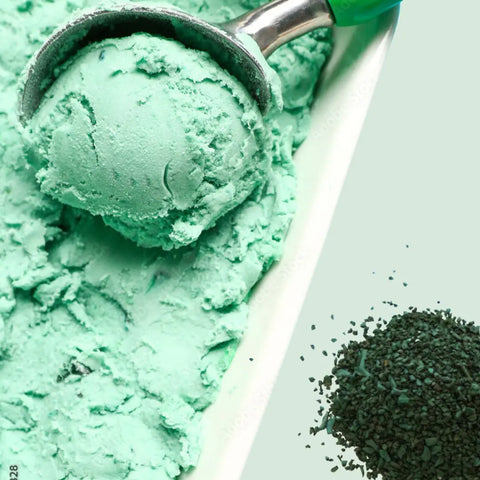
100% natural DHA is found in the alga Schizochytrium sp. [1], from which an oil extremely rich in omega-3 DHA can be extracted.
Omega-3 DHA from algae: a 100% vegan alternative for supplementation
DHA supplements are usually made from oily fish oils. People following a vegetarian or vegan diet are often deficient in omega-3 DHA, even though it is vital for the body’s development. Omega-3 DHA from Schizochytrium sp. algae stands out for its 100% plant-based origin, making it suitable for vegetarian and vegan diets.
The body’s conversion of omega-3 and omega-6 fatty acids is a long and complex process. External factors such as stress can complicate it further and reduce how much DHA is ultimately produced. This is why eating oily fish is the preferred way to obtain DHA directly, with no conversion needed. On a 100% plant-based diet, DHA intake depends entirely on what the body produces. Given the many factors that affect this production, DHA deficiency is not uncommon among vegans.
That is why omega-3 DHA supplementation is recommended for vegans.
Choosing plant-based omega-3 DHA from algae also helps reduce the problems associated with overfishing and the contamination of oily fish by heavy metals.
The benefits of omega-3 DHA
Regular intake of 100% natural omega-3 DHA helps balance the omega-6 / omega-3 ratio: ultra-processed foods contain far too much omega-6 at the expense of omega-3.
The body produces less DHA as we age, so an external source of DHA is recommended for older people. DHA is a component of cell membranes, where it increases fluidity and improves communication between cells.
The 3 benefits of omega-3 DHA:
-
Cognition, DHA for the brain: protecting cognitive function
Maintaining an optimal lipid composition in the brain, in other words one rich in DHA, is essential as we age. DHA accounts for 90% of the omega-3 in the brain and appears to influence many mechanisms in the body that are essential for healthy ageing. It supports the brain’s neurotransmission capacity and improves membrane fluidity. -
DHA for the eyes
DHA contributes to the maintenance of normal vision. It is the main component of the retina, and an adequate intake plays a crucial role in the development and maintenance of visual function. -
DHA for pregnant women: prenatal and postnatal development
The mother’s DHA intake during pregnancy and breastfeeding provides the foetus and newborn with the DHA they need for their development. Maternal intake of DHA contributes to the normal development of the eye and brain of the foetus and breastfed infants.
Sources
[1] Ashford A. & al.: Electron microscopy may reveal structure of docosahexaenoic acid-rich oil within Schizochytrium sp. Lipids. 2000 Dec;35(12):1377-86.