









People usually look for a vitamin or a food supplement to help them lose weight. However, some people need to put weight on. Finding the right vitamins to help you gain weight is very important. Whether you are trying to gain weight or need to for your health, here are some options that can help.
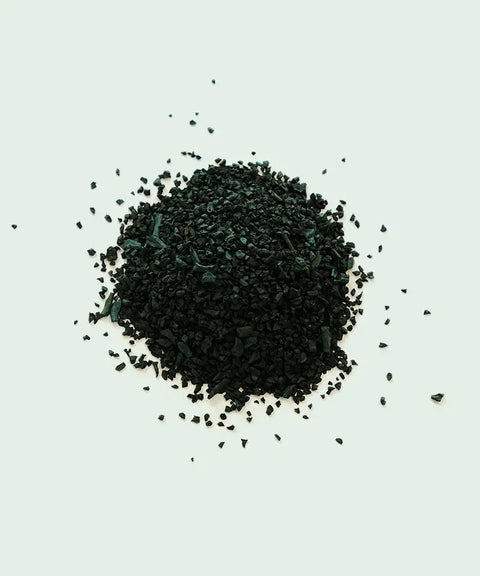
Discover our Organic Spirulina: the whole microalga, rich in iron and protein, laboratory-tested.
The top 5 vitamins to help you gain weight
1. B vitamins
If you are deficient in B vitamins, you may have an eating disorder. This can make it hard to gain weight. B vitamins also help to maintain muscle tone, and some of them help to convert carbohydrates into energy. A deficiency in vitamin B1, or thiamine, can make you lose weight. A deficiency in B12 or B9, on the other hand, can cause anaemia, which can make you lose your appetite and lead to weight loss.
Taking B vitamins may help you improve your weight. They can give you better health and increase your muscle tone. Gaining weight requires eating more calories from nutrient-rich foods. Taking vitamins to gain weight only works if you have a nutrient deficiency that has caused you to lose weight. Nutrient deficiencies that can lead to weight loss include vitamin C, vitamin B12 and folate.
A food supplement for weight gain is a godsend if you want to avoid eating too many calories a day.
Read: The benefits of food supplements
Nutrient deficiencies and weight loss
Most people who eat a balanced diet can get all the vitamins they need from food and avoid deficiencies. But an unhealthy diet, or certain conditions that affect how your body absorbs nutrients, can cause your blood levels to drop. When this happens, especially over a long period, you start to experience symptoms. Deficiencies in vitamin C, vitamin B12 and folic acid can lead to anaemia, meaning the body cannot make enough red blood cells. The main symptoms of anaemia are fatigue, shortness of breath, muscle weakness, dizziness, an irregular heartbeat, personality changes, mental confusion or forgetfulness, loss of appetite and weight loss.
Causes of anaemia
Vitamin C deficiency is usually caused by a poor diet or by problems absorbing the nutrient. Smokers are at greater risk of vitamin C deficiency because smoking interferes with absorption. People with chronic conditions such as kidney disease or cancer are also at higher risk of deficiency. B12 deficiency is sometimes caused by a lack of intrinsic factor, a protein made in the stomach that the body needs to absorb the vitamin. It can also be caused by surgery that has removed or bypassed part of the small intestine, a restrictive vegetarian diet, removal of part or all of the stomach, certain medicines, ageing and autoimmune diseases such as type 1 diabetes.
A deficiency in folate – a B vitamin known as folic acid in supplement form – is usually caused by a low dietary intake, malabsorption disorders and certain medicines. Pregnant women have increased folate requirements and are more at risk of deficiency, as are people on haemodialysis for kidney failure. Some medicines used to treat cancer can affect folate metabolism, leading to low folate levels.
Read: Fighting oxidative stress
Vitamins to regain weight
If you have lost weight because of a nutrient deficiency, you should not try to fix the problem yourself. Correcting a deficiency usually involves short- or long-term use of supplements combined with a higher dietary intake of the nutrient in question. If an underlying condition or a medicine is interfering with absorption, your doctor can take this into account in your treatment plan.
In the meantime, make sure you get at least the recommended dietary allowances (RDAs) for vitamin C, vitamin B12 and folate, set by the Food and Nutrition Board of the National Academies of Medicine as appropriate for the general population. These amounts vary depending on whether you are a man, a woman, pregnant or breastfeeding.
Vitamin C:
- Men – 90 milligrams
- Women – 60 milligrams
- Pregnancy – 85 milligrams
- Breastfeeding – 120 milligrams
Vitamin B12:
- Men – 2.4 micrograms
- Women – 2.4 micrograms
- Pregnancy – 2.6 micrograms
- Breastfeeding – 2.8 micrograms
Folate:
- Men – 400 micrograms
- Women – 400 micrograms
- Pregnancy – 600 micrograms
- Breastfeeding – 500 micrograms
Maintaining these intakes, or the amounts recommended by your doctor, will help to bring your blood levels back to normal. You should then start to regain the weight you have lost, thanks to the food supplement for weight gain.
Calories to gain weight
Whether or not a nutrient deficiency is behind your weight loss, your diet is the most important factor in gaining weight. If you consistently fail to meet your daily calorie needs, you may end up in a calorie deficit, meaning your body burns more calories than you take in. This causes fatty acids and lean muscle mass to be broken down, leading to weight loss. If you are not sure how many calories you need to gain weight, it is important to talk to your doctor. Calorie needs are individual and depend on sex, age, activity level and other factors such as genetics, medicines and medical conditions.
You can get a rough idea of the calories you need to maintain your weight from the estimates in the Dietary Guidelines for Americans, 2015–2020. For example, moderately active men aged 26 to 45 need 2,600 calories a day, and moderately active women in the same age group need 2,000 calories a day. Being moderately active means doing physical activity equivalent to walking 1.5 to 3 miles a day at 3 to 4 miles per hour, on top of the activities of daily life. If you are not meeting your daily calorie needs, simply increasing your intake to reach these targets may help you put on weight. If you are already meeting your calorie needs, you will have to eat more than the recommended amounts. People with a fast metabolism, who often find it hard to gain weight, need to eat more than people with a slower metabolism to reach the same weight.
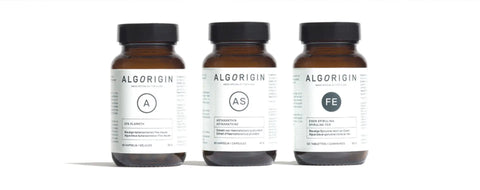
Discover Algorigin food supplements: Swiss spirulina, Organic Klamath, Lithothamnion ...
A good goal is to start with a modest increase of 250 to 500 calories a day, then raise it if necessary over several weeks or months. By gaining weight slowly, you will avoid putting on a lot of fat, especially if you follow an exercise programme that includes resistance training.
2. Vitamin D
One of the most important vitamins, vitamin D can help you gain weight if used correctly. This vitamin supports your immune system and may protect you from diabetes. It also makes your bones and teeth stronger. While taking vitamin D alone will not make you gain weight, a deficiency in this vitamin can make healthy weight gain harder.
3. Vitamin C
Vitamin C, which can slow down your metabolism, may help you gain weight. It is a vitamin your body needs for protection, but it can also help you put on weight. While a slower metabolism can make you gain weight, vitamin C can also stop you from overeating.
4. Iron
A very important metal that your body needs, iron can help you gain weight. It plays a role in transporting oxygen to your body's cells. While taking iron will not in itself make you gain weight, it can make healthier weight gain easier.
5. Protein
Although it is not a vitamin that helps with weight gain, protein is essential for healthy weight gain. It is important for muscle function, and studies show that you will gain more weight with protein supplements. Eating enough protein every day can make all the difference. However, eating too much does not mean you will gain more weight. It is best to take in between 0.6 and 0.9 grams per kilo of body weight each day. There are several vitamins and supplements you can take to gain weight. However, the main factor in gaining weight is eating more calories than you burn each day. Of course, getting the right vitamins in your diet can help you gain weight in a healthy way.
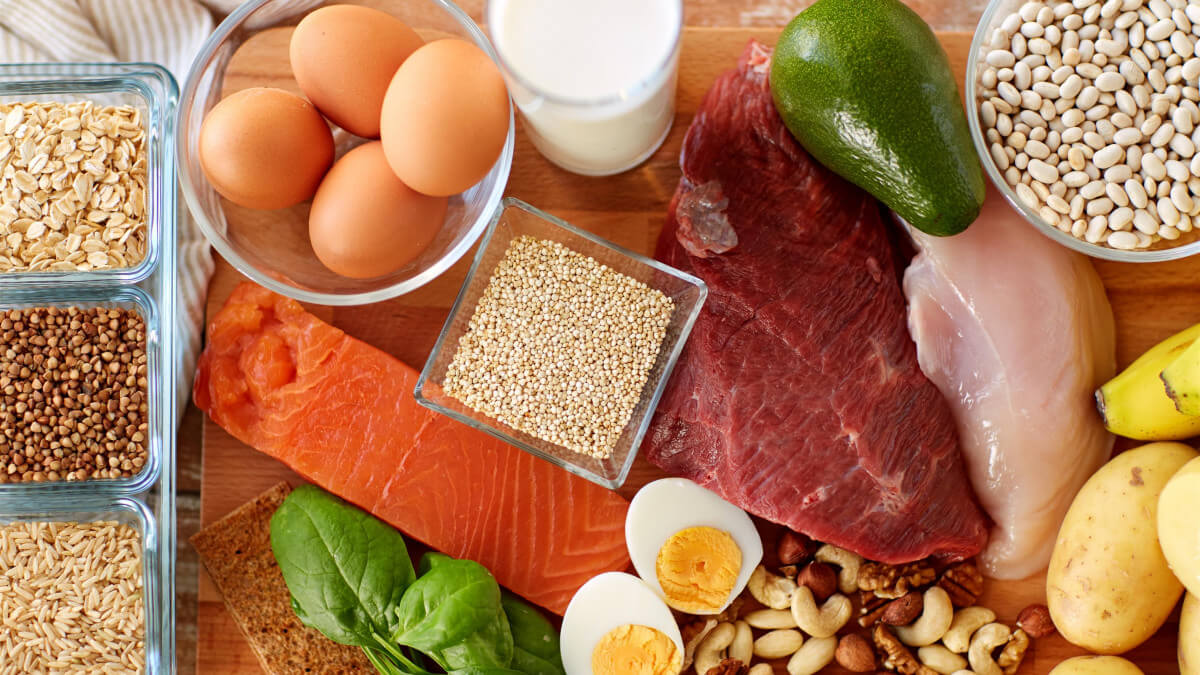
Many athletes who are trying to gain weight use protein-packed shakes and bars, along with the right vitamins, to put on weight. Even so, these athletes still need to take in enough calories each day to gain weight. While most vitamins cannot help you gain weight, a deficiency can make you lose weight or stop you from gaining it.
Read also: What is a postpartum supplement?
Choose healthy foods
Gaining weight is not just about calories. You could eat pizza all day and get plenty of extra calories, but you would also get a lot of saturated fat and simple carbohydrates, both of which can wreak havoc on your health. If you are trying to correct a nutrient deficiency, it is especially important to eat foods rich in that nutrient. For example:
- If you are deficient in vitamin C, eat red and green peppers, citrus fruits, kiwis, strawberries, Brussels sprouts, cantaloupe melon and cauliflower.
- If you are deficient in vitamin B12, eat clams, liver, trout, salmon, milk, cheese and fortified cereals.
- If you are low in folate, eat beef liver, spinach, asparagus, Brussels sprouts, lettuce, avocados, broccoli and fortified cereals.
In general, a healthy diet for weight gain should include whole foods, in particular: carbohydrates from fruit, vegetables and wholegrains; protein from fish, chicken, beans and dairy products; and healthy fats from avocados, olive oil, nuts and seeds. That last category should be right at the top of your weight-gain shopping list, as fats contain more calories than carbohydrates and protein. Adding them to your meals can increase their calorie content. If you struggle to get enough calories from solid food, you can try adding nutrient-rich smoothies made with ingredients such as whole-milk yoghurt, nuts and seeds, avocado and coconut oil. You can also try eating several small meals a day instead of three large ones.
To avoid putting your health at risk, seek advice from a food supplement professional.