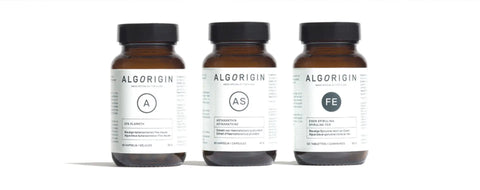










You can think of spirulina powder as a vitamin. It belongs to the family of food supplements, made up of nutrients, vitamins and minerals that are essential to the body. An antioxidant, spirulina powder is one of the most widely consumed supplements. It supports the body's defences and the immune system in general and, with its high vitamin B12 content, it gives you a boost of vitality, whether in capsules, powder or any other form.
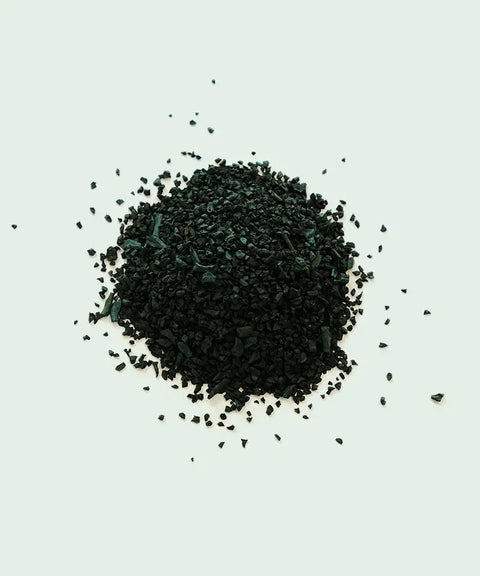
Spirulina in its most natural form: our spirulina granules, dried at low temperature, with no binders.
This article explains all the nutritional qualities of spirulina.
Read also: What are the benefits of spirulina?
How do you drink spirulina powder?
Spirulina is a blue algae that grows in freshwater environments. It is also a very popular food supplement with many health benefits and a high nutritional value. Spirulina is rich in plant protein, iron and other minerals, as well as B vitamins. There are various ways to work spirulina into your daily diet. You can add spirulina powder to your smoothies, fruit juices, matcha, lattes and cocktails.
Spirulina can be taken as a powder, as tablets or in fizzy drinks. Keep opened bottles or pouches of spirulina powder and tablets in the fridge. Spirulina is a freshwater blue algae commonly used as a food supplement. It is a “superfood” rich in protein, iron and B vitamins, which makes it a real find for any kind of diet, particularly a plant-based one.
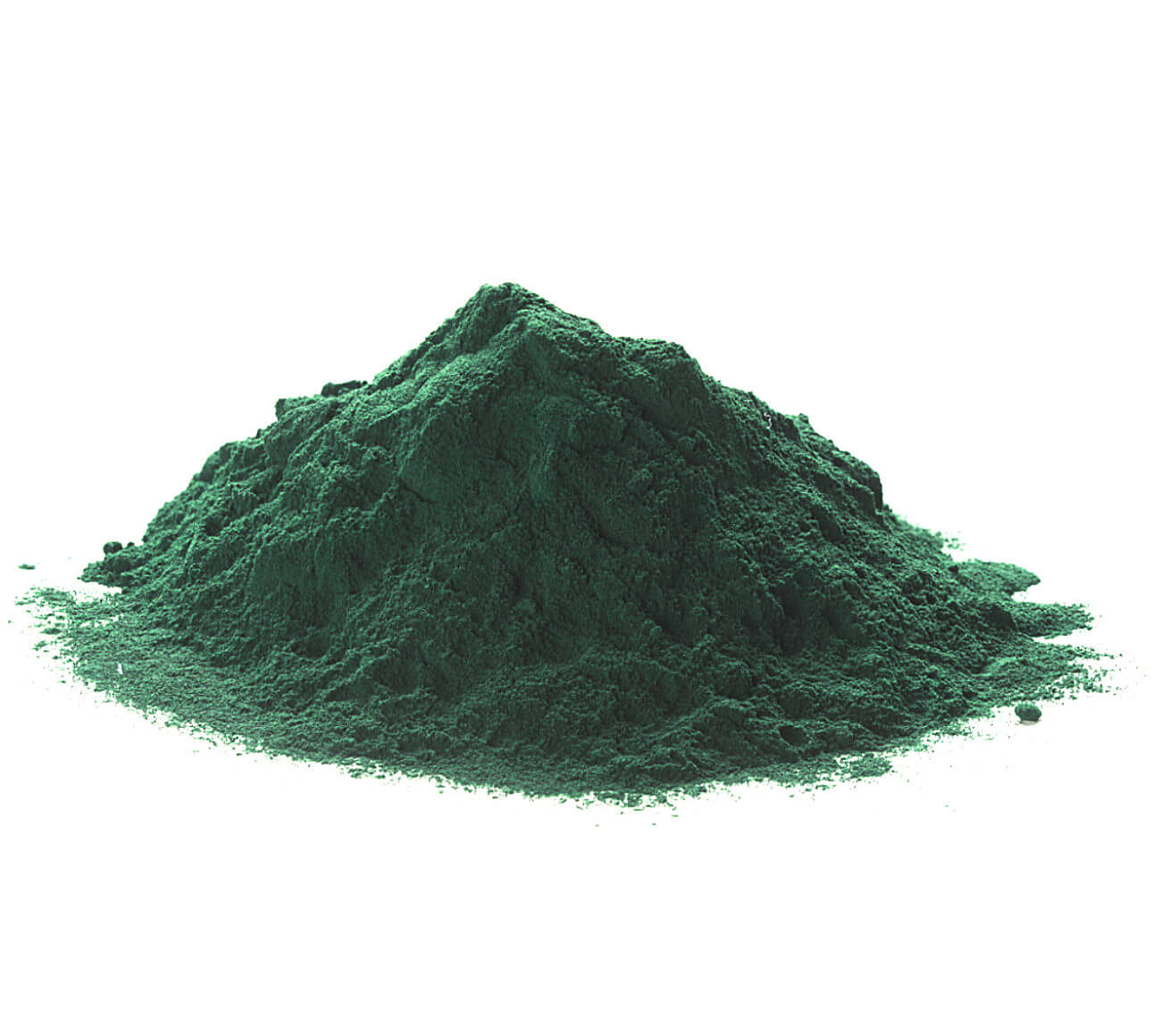
Spirulina is most often sold as pressed tablets or as a powder. While you can take spirulina tablets without food or water, it is best to mix spirulina powder with food. Spirulina has an earthy, slightly marine flavour that many people dislike, which is why it is often mixed into drinks and added to recipes to mask the taste. This article will give you even more tips for including spirulina in your daily diet while masking its taste! But first, let's talk about the benefits of this food supplement.
How do you take spirulina powder?
There are many ways to use spirulina in your recipes – it's all down to your imagination! You can mix spirulina not only into your drinks but also into the dishes you cook. The options are endless: you can add spirulina powder when making pesto, make superfood bites or “energy balls” with spirulina, nuts and figs, or stir spirulina into hummus for a quick, healthy snack. You can also replace spirulina with ground seaweed and spinach in your food. Small amounts of spirulina powder can also be used instead of the green food colouring your recipes may call for.
At present, no study has definitively established the exact recommended dose of spirulina. However, the general recommendation is not to take more than 2 tablespoons (14 g) a day, since even a small amount of this blue algae is packed with nutrients: 60 to 70% of it is pure protein. That said, it is best to consult a doctor before you start taking this supplement.
Discover our range of organic, artisanal spirulina.
What are the health benefits of spirulina powder?
Spirulina's high nutritional value makes it a true superfood. First of all, the dried blue algae contains around 60% protein by weight, making it the best plant source of protein and an excellent addition to any plant-based diet. It also contains digestive enzymes and fatty acids needed for the normal functioning of the brain and nervous system, which account for 7% of spirulina's weight.
Spirulina powder offers many benefits for your health. Here are a few examples:
- Spirulina helps to support energy metabolism. As a result, spirulina is highly recommended as part of a healthy diet for sports performance, weight loss or to reduce tiredness.
- It prevents and helps to combat anaemia, sparing people with iron deficiency from having to take iron supplements. It also improves the immune system.
- Some studies suggest that spirulina can help you feel more energetic while also reducing stress and tiredness.
Smoothies
Adding spirulina powder to a smoothie masks its marine flavour and makes the drink more visually appealing at the same time. You can mix this supplement into any smoothie you like, but its flavour works best with sweet, fruity smoothies. Next time you make a smoothie, try sprinkling around 5 g of spirulina powder into the mix before blending. This will turn the drink a deep green, but the flavour will be covered by the sugar and fruit. The best fruits to pair with spirulina are pineapple, banana, orange and mango, but you can also choose any other sweet, ripe fruit. This method works just as well for smoothie bowls, and adding spirulina powder will only increase their antioxidant, electrolyte, vitamin and mineral content. You can also try adding spirulina powder to spinach smoothies, as it goes well with savoury ingredients without overpowering them.
Fruit juice
Another tasty trick is to sprinkle a little spirulina powder into your fruit juice for a nutritional boost. As with smoothies, mix the juice with 1 teaspoon (5 g) of spirulina powder and shake well to dissolve the powder. The drink will turn dark green, but the fruity flavours will still come through. Mango, pineapple and orange juice are perfect for mixing with spirulina powder. But don't add the powder to your juicer, as it won't blend the spirulina into your drink effectively. Instead, pour the juice into a bottle and shake it to mix in the spirulina.
Matcha
You can also add spirulina to your matcha! Matcha is a delicious drink known for its antioxidant properties and vibrant green colour. Combined with spirulina, it becomes a super drink! Sprinkle around 1/2 teaspoon of spirulina into a small serving of matcha, or a full teaspoon (5 g) into a large one. The hot liquid will dissolve the powder quickly, and the flavours will blend well together.
Bear in mind, however, that the taste of spirulina still comes through even when it is mixed with matcha. So add less powder if you don't like the taste of spirulina.
Coffee
Just as with matcha, you can experiment by adding a little spirulina to your latte or cappuccino and drink it on the go!
Lemon cocktails
You can also try adding spirulina powder to a citrus cocktail such as a lemon drop. Few cocktails are improved by a hint of seafood flavour, but acidic foods and drinks cover up spirulina's strong taste and instead bring out some of its fresher notes, which work very well with the tangy notes of lemon. Simply add around 1 teaspoon (5 g) of spirulina to the drink and enjoy its health benefits.
How can you extend the shelf life of a spirulina drink?
Opened bags of spirulina powder and containers of spirulina tablets should be kept in the fridge. Fizzy drinks containing spirulina should be stored according to the manufacturer's instructions. Once spirulina has been opened and exposed to air, the amount of oxygen-sensitive nutrients in the supplement will decrease over time, so it is best to use it within a few months of opening.
As a food supplement, spirulina is subject to different ingredient labelling requirements from those that apply to foods, although its safety is still regulated by the US Food and Drug Administration. Spirulina comes as a powder or as tablets and can be taken on its own or mixed with food.
About spirulina
Spirulina is a dried blue-green saltwater algae. According to NYU Langone Medical Center, spirulina is rich in carotenoids and B vitamins and contains a host of essential minerals, including calcium, iron, magnesium, manganese, potassium and zinc. It is also a good source of protein, with over 70% protein by dry weight. Spirulina is mostly presented as having therapeutic as well as nutritional benefits; however, many of these claims have yet to be proven.
Digestion
Your digestive system can absorb both spirulina tablets and spirulina powder, but because tablets are harder and more compact, they may pass through undigested or only partially digested. This means you risk missing out on the full nutritional value of spirulina. Although spirulina powder has the advantage of being easier to absorb, if you combine it with foods your body struggles to process, you may also lose some of spirulina's nutritional content. For example, if you have a mild lactose intolerance and add spirulina to a smoothie, your body may not be able to absorb all of the spirulina.
Watch out for fillers
To hold their shape and add bulk, tablets often contain fillers or binding agents such as silicon dioxide. Binding agents are not easily digested by your body, which can make it harder for the tablet to break down and for the full nutritional content of the spirulina to be absorbed. As ingredients are listed in order of weight in the final product, the higher the binder appears in the ingredient list – for example, third rather than fifth – the more binder the spirulina tablet will contain. Some tablets are made without binders or fillers; look for “binder-free” on the label.
Ease of use
Spirulina tablets are easy to carry: they are small, so you can take them with you without them taking up much room. Spirulina powder, on the other hand, lends itself well to baking or drinks, which not only makes it easy to take spirulina throughout the day but also gives the finished product a nutritional boost. Add 1 to 2 tablespoons of spirulina to fresh fruit juice or a smoothie, blending or stirring well, to make a nutrient-rich “green” drink. You can also mix spirulina into the dry ingredients for baking, or use it in salad dressings to thicken the texture and boost the nutrient content.
Read also: